

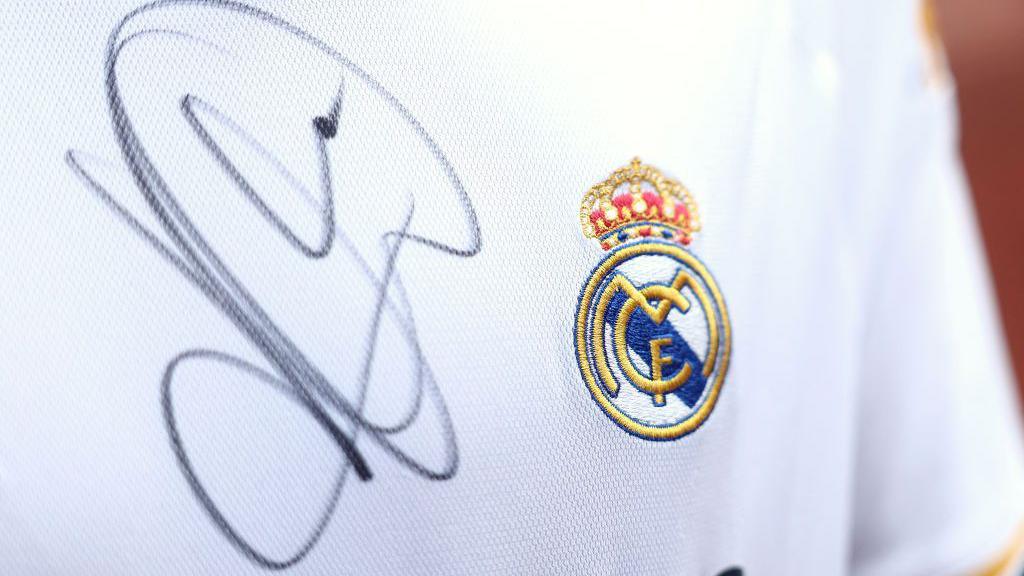
Outside the training ground. At the traffic lights. At a petrol station. In a hotel lobby. Outside their family home.
The locations where footballers and managers are confronted for signatures can vary from the ordinary and acceptable to the invasive and inappropriate.
Importantly, there exists a pair of different types of signature hunters. There are the authentic supporters seeking a keepsake to treasure for a lifetime, but also commercial dealers building up a stockpile of items to be sold online.
The hunters earning an income from obtaining autographs are often experienced figures who confront athletes with prepared stacks of jerseys and pictures, with the goal of get as much signed as possible in a short window.
But what do the players who are targeted feel, and is a portion of these interactions becoming excessive?
How Do Signature Seekers Interact With Celebrities?
When a prominent coach was filmed declining to sign a shirt after a individual accosted his car not long ago, he justified his actions against a counter-reaction by stating he felt "vulnerable" and asserted some "individuals do not act for the right reasons".
In another case, a celebrated manager angrily chastised a group of seekers who came up to him in a parking lot close to his residence, lambasting their career choice and stating, "Do not return - I won't tell you again. What do you aspire to?"
The athletic collectibles sector is believed to be valued in the billions of pounds globally annually, highlighting the substantial wealth professional hunters can earn by regularly seeking out stars.
Clubs occasionally have to step in and protect players, including prohibiting commercial dealers from conducting business near practice facilities, providing security staff at nearby gas stations where seekers know players stop, and in certain instances assisting in guiding them to their residences.
One well-known player was recorded instructing individuals to stop following him home after they had done so on back-to-back days.
And earlier this month, a defender was caught on video comically scribbling unenthusiastic signatures on a set of jerseys given to him by a seeker who approached him at his car window.
"Athletes become really fed up with it," states a ex-top-flight champion.
"I've encountered it on many occasions. They wait near the TV studio and ask me sign a dozen matching jerseys simultaneously. I challenged it the other day and said 'you're going to sell these on the internet, correct'?"
"It is incredibly irritating that the intention is to make money out of players. It's up to the person to make a judgement call on the spot."
"If we say no, then the rejected individual will often insult the person who turned them down and publicly shame them on social media."
"This behavior is unacceptable as genuine fans must get fed up with these frauds who are doing it for the incorrect motives."
"Such individuals spoil it for children and true supporters."

How Do Players Feel About Commercial Dealers?
Most athletes are pleased to brighten a supporter's day by spending a quick moment with them and signing an autograph.
But when regular hunters appear, tense encounters can occur, particularly if their behaviour is deemed aggressive.
"You encounter the people who are eager to get your signature but also want to spend a bit of time with you and establish a personal link," says a ex-national team player. "That is perfectly acceptable, but then you also get the ones that you see repeatedly."
"Some of them are very clever with the way they do it - they send their kids, or they bring their mates."
"Instances have occurred when confrontations have happened. I recall one where a man attempted to argue with me - he would hand you 20 of the identical item, and you would either not sign them all or your autograph would become less enthusiastic as it continued because you were aware he was going to resell them."
In certain cases players can sympathise with the reasoning while not accepting rudeness.
"He would openly tell you he was going to sell them, but from his perspective that would pay for his tickets," the former player continues. "The majority of supporters are really respectful and appreciative. They are rarely rude until they fail to receive what they want."
Is a Portion of Authentic Supporters Acting More Entitled?
During the rise of the women's game, fans have traditionally had more direct interaction to players than in the men's top flight. For the most part, those encounters are friendly, secure, and courteous.
But some players believe interactions have become increasingly rude and lacking in respect in recent seasons.
One England international disclosed she was asked to sign by some of the identical supporters who had earlier jeered her during a game.
"It certainly appears to have been a change in the recent period - there seems to be more of a sense of entitlement with some fans now," says a ex-professional athlete.
"Fans enjoying more access to players has been a big part of the uniqueness of the sport, and when I was competing we always wanted to make time for them," she explains.
"More recently, some people think because they've paid for a ticket they are entitled to the time of the players around the game."
"No player wants to snub the fans, but there are times and places, and possible safety concerns need to be taken into account."
"It requires mutual respect and it should be handled in a controlled, safe environment."
"It is essential to still facilitate those interactions so that aspiring players don't lose heart and think 'the players I admire are indifferent to me'."
Supporters Face the Danger of Buying Fakes Online
Items signed by top names and then posted for sale by autograph hunters can fetch tens of thousands of dollars.
But not all items of signed memorabilia purchased will prove to be legitimate.
In some cases, web shops are established by fraudsters who create fakes by buying merchandise before applying a fake signature - either by doing so themselves or hiring the services of skilled signature forgers.
One reason fraudulent dealers can get away with their schemes is because autograph verification is an non-standardized procedure in many countries. Most items come with a proof of genuineness, but that document is only as credible as the company which issues it, and those entities can be completely unvetted.
Several years ago, a individual was sentenced to prison after earning more than £1m from peddling fake


